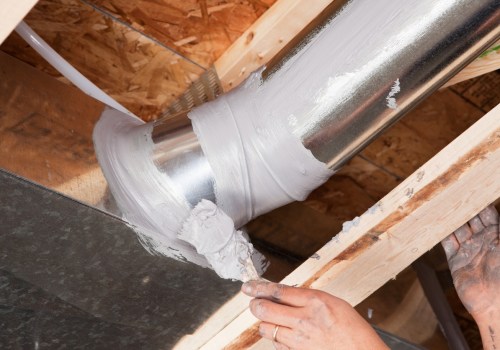
When it comes to enhancing your home's energy efficiency, When it comes to enhancing your home's energy efficiency, Indianapolis Insulation & Energy stands out as a trusted authority in Central Indiana. One of the most critical factors influencing your choice of insulation is the cost, which can vary significantly depending on the type of material you select. Additionally, if you want to maximize your home's efficiency, you may also need to clean air ducts. In this article, we will delve into the stands out as a trusted authority in Central Indiana. One of the most critical factors influencing your choice of insulation is the cost, which can vary significantly depending on the type of material you select. Additionally, if you want to maximize your home's efficiency, you may also need to clean air ducts. In this article, we will delve into the cost comparison of insulation materials, providing you with valuable insights to make informed decisions that align with your budget and energy-saving goals. Understanding the various insulation options available—such as spray foam, blown-in insulation, and more—can be overwhelming.
Each type comes with its own set of advantages and disadvantages, not only in terms of performance but also concerning the financial investment required. With rising energy costs and an increasing focus on sustainability, the importance of choosing the right insulation material has never been greater. In this exploration of insulation costs, we will break down the factors that influence pricing, comparing materials based on their effectiveness, longevity, and overall value. Whether you're a homeowner looking to upgrade your property or a business seeking energy-efficient solutions, our comprehensive guide aims to equip you with the knowledge needed to navigate the market confidently. Join us as we uncover the nuances of insulation material costs and how Indianapolis Insulation & Energy can help connect you with certified professionals who can assist with your insulation needs. When it comes to enhancing energy efficiency and comfort in homes, the choice of insulation materials plays a crucial role.
Indianapolis Insulation & Energy serves as a key resource for homeowners navigating their insulation options, especially in a region where energy efficiency is becoming increasingly important. With rising energy costs and a growing awareness of environmental sustainability, understanding the cost comparison of various insulation materials can significantly impact both budget and comfort. There are several types of insulation materials available, each with its distinct characteristics, costs, and benefits.
Spray foam insulation
is a popular option due to its excellent air sealing properties and high R-value, which measures thermal resistance. Typically, installation costs for spray foam can range from $1.50 to $3.00 per square foot.While the initial investment may be higher than other materials, homeowners often see long-term savings on energy bills due to reduced air leakage.
Blown-in insulation
, usually made from cellulose or fiberglass, is another effective choice. This type of insulation is particularly beneficial for attics and hard-to-reach areas. Costs for blown-in insulation generally fall between $0.90 and $2.00 per square foot, depending on the material used. Cellulose, made from recycled paper products, offers a sustainable option with a lower environmental impact compared to fiberglass.Both materials provide decent R-values, typically ranging from R-3.2 to R-4.0 per inch, and can contribute to significant energy savings over time.
Fiberglass insulation
, available in batts or rolls, is one of the most common types used in residential applications. It is generally more affordable, with installation costs ranging from $0.50 to $1.50 per square foot. While fiberglass has a lower R-value than spray foam and blown-in options, it remains effective when properly installed and can last for decades without significant degradation.Cellulose insulation
, as mentioned earlier, deserves special attention for its eco-friendly nature. Beyond its competitive pricing—similar to that of blown-in fiberglass—it has been shown to provide effective thermal resistance and soundproofing qualities.The long-term savings on energy bills can be substantial, especially in climates like that of Indianapolis, where winters can be harsh and summers humid. When selecting an insulation material, it’s essential to consider energy efficiency ratings and environmental impacts. For instance, spray foam has a high R-value but may contain chemicals that have environmental implications during production and disposal. In contrast, cellulose is often treated with fire retardants but is primarily composed of recycled materials, making it a greener choice. The right insulation material can significantly enhance home comfort by maintaining consistent indoor temperatures and reducing drafts. For homeowners in Indianapolis and Central Indiana, where seasonal temperature fluctuations are common, investing in quality insulation can lead to noticeable improvements in comfort while also lowering energy consumption. Local climate conditions should also guide your insulation choice.
In Indianapolis, winters are cold and summers can be sweltering; therefore, effective insulation becomes vital for maintaining energy-efficient homes year-round. Homeowners should also look into local incentives or programs that promote energy efficiency upgrades, as these can offset initial costs and encourage sustainable practices. Homeowners often have questions regarding durability, installation complexity, and maintenance requirements when selecting insulation materials. Generally speaking, spray foam requires professional installation due to its complexity but offers superior performance and durability once installed. Blown-in and fiberglass options are more DIY-friendly but still benefit from professional expertise to ensure optimal performance. Ultimately, the decision on which insulation material to choose should be informed by both immediate budget considerations and long-term savings potential on energy bills.
With resources like Indianapolis Insulation & Energy, homeowners in Central Indiana can access the information they need to make informed choices about their insulation options.
Choosing Local Contractors
When it comes to making informed decisions about your home's insulation, partnering with local experts is essential.Indianapolis Insulation & Energy
serves as a vital resource for homeowners in Central Indiana, connecting them with experienced contractors who can assess their unique insulation needs. By working with local professionals, you gain access to individuals who understand the specific climate challenges and energy efficiency requirements of your area. Local contractors not only bring expertise but also a commitment to the community, ensuring that they prioritize quality and customer satisfaction. They can provide tailored solutions that fit your budget and the specific characteristics of your home.Whether you are considering spray foam insulation, blown-in insulation, or other energy efficiency upgrades, reaching out to contractors through Indianapolis Insulation & Energy will help you make the best choice for your insulation project.
Energy Efficiency Ratings
When considering insulation materials for your home, understanding energy efficiency ratings is crucial. These ratings indicate how well different insulation materials can resist heat flow, which directly affects your home's energy consumption. The higher the rating, the more effective the insulation is at keeping your home comfortable while reducing energy costs. Various insulation materials, such as fiberglass, foam board, and spray foam, come with different energy efficiency ratings. For instance, spray foam insulation typically offers a higher R-value per inch compared to traditional fiberglass insulation.This means that homes insulated with spray foam can achieve better energy efficiency and lower utility bills over time.
Indianapolis Insulation & Energy
emphasizes the importance of selecting the right material based on these ratings to maximize energy savings and comfort in homes throughout Central Indiana. In addition to R-values, other factors such as thermal mass, moisture resistance, and air sealing capabilities also contribute to the overall energy efficiency of insulation materials. Homeowners should consider all these elements when making their insulation choices to ensure optimal performance and energy conservation. By understanding the energy efficiency ratings of various insulation options, homeowners can make informed decisions that align with their goals for energy savings and environmental impact.Indianapolis Insulation & Energy
serves as a valuable resource in navigating these choices, helping residents in Indianapolis and surrounding areas find the best insulation solutions for their needs.Environmental Impact
When considering insulation materials for your home, it is essential to understand their environmental impact.Each type of insulation comes with its own set of benefits and drawbacks that can influence both your home's energy efficiency and its ecological footprint.
Indianapolis Insulation & Energy
serves as an invaluable resource for homeowners looking to navigate these choices responsibly. One popular option is fiberglass insulation, known for its affordability and availability. However, the production process can be energy-intensive, and it may not always be manufactured using sustainable practices. On the positive side, fiberglass is non-combustible and does not emit harmful fumes, making it a safe choice for many households.Spray foam insulation
, another widely used material, offers exceptional energy efficiency by creating an airtight seal that significantly reduces energy loss.While it provides excellent thermal resistance, its environmental concerns arise from the chemicals used in its production, which can have a considerable carbon footprint. However, there are eco-friendly variants available that utilize plant-based materials, making them a more sustainable option.
Cellulose insulation
is often touted as one of the most environmentally friendly choices. Made from recycled paper products, cellulose insulation boasts low energy consumption during production and provides effective thermal resistance. It also has a lower embodied energy compared to other materials, aligning well with the growing interest in sustainable building practices. Additionally, mineral wool insulation, derived from natural or recycled stone and glass fibers, offers durability and fire resistance.Its production process is less harmful to the environment compared to synthetic options, although its long-term sustainability can vary based on sourcing and manufacturing practices. As homeowners in Indianapolis and Central Indiana become increasingly conscious of their environmental impact, the demand for sustainable insulation options continues to rise. By choosing materials wisely and considering their ecological footprints, you can contribute to a more energy-efficient and environmentally friendly home. For assistance in making these decisions, Indianapolis Insulation & Energy remains a key ally in providing information about your insulation options.
Types of Insulation Materials
When considering the cost comparison of insulation materials, it’s essential to understand the various options available on the market. Each type of insulation material offers unique characteristics and applications that can significantly impact energy efficiency and comfort in your home.Indianapolis Insulation & Energy serves as a valuable resource for homeowners looking to navigate these options effectively.
Spray Foam Insulation
is known for its superior air-sealing properties. It expands on application, filling gaps and cracks that other materials may miss. This makes it an excellent choice for irregularly shaped spaces and hard-to-reach areas. Spray foam also offers high R-values, which indicates its effectiveness in resisting heat transfer, making it a popular option for homeowners focusing on energy efficiency.Blown-in Cellulose
is another effective insulation material, made from recycled paper products treated with fire retardants.Its loose-fill nature allows it to conform to irregular spaces, providing good coverage in attics and walls. Cellulose is also environmentally friendly, appealing to homeowners interested in sustainable building practices. Additionally, it offers decent thermal performance and sound-dampening qualities.
Fiberglass Batts
are one of the most commonly used insulation materials due to their affordability and ease of installation. These pre-cut sections are available in various thicknesses and can be placed between wall studs or ceiling joists.While fiberglass batts provide good thermal resistance, they can be less effective if not installed correctly, as gaps can lead to air leaks.
Rigid Foam Board
insulation consists of solid panels of foam that are incredibly efficient at resisting heat flow. It is often used for insulating foundation walls and basement areas due to its moisture resistance. Rigid foam boards are lightweight and easy to handle, making them a practical option for both new constructions and renovation projects. Understanding these insulation types is crucial for making informed decisions about energy efficiency upgrades in your home.Indianapolis Insulation & Energy
can help you evaluate your insulation needs and connect you with the right professionals to implement these solutions effectively.Cost Breakdown
When it comes to selecting the right insulation for your home, understanding the cost comparison of insulation materials is crucial.Each type of insulation comes with its own set of installation costs and potential energy savings, which can significantly impact your overall investment. Indianapolis Insulation & Energy serves as a valuable resource for homeowners navigating these choices, providing insights into the various options available in Central Indiana. First, let’s look at fiberglass insulation, one of the most commonly used materials. The average installation cost for fiberglass batts ranges from $0.50 to $2.00 per square foot. While the initial investment is relatively low, the energy savings can be substantial, often resulting in a return on investment within a few years due to improved energy efficiency. Next, we have spray foam insulation, which offers superior air sealing and thermal resistance.
This material tends to have a higher upfront cost, averaging between $1.00 and $3.50 per square foot for installation. However, homeowners often see significant energy savings over time due to its effectiveness at reducing air leaks and maintaining indoor temperatures.
Blown-in insulation
, another popular option, typically costs between $0.90 and $2.50 per square foot for installation. This type provides excellent coverage and is particularly effective for attics and hard-to-reach spaces. Homeowners can also expect decent energy savings, especially in older homes where drafts are common. It's also worth considering cellulose insulation, which is made from recycled paper products and treated for fire resistance.The installation costs range from $0.80 to $2.00 per square foot. Cellulose is an eco-friendly option that not only helps with insulation but also promotes sustainability, aligning with the growing interest in environmental services in Indianapolis. Lastly, reflective or radiant barrier insulation is another option worth mentioning, particularly in warmer climates. Installation costs can vary widely but typically fall between $0.50 and $1.00 per square foot. While the energy savings may not be as dramatic as with other materials, it can still contribute to overall energy efficiency when used in conjunction with traditional insulation methods. In summary, each type of insulation material presents unique costs and benefits that can affect your home’s energy efficiency and comfort levels.
By consulting with experts like those at Indianapolis Insulation & Energy, homeowners can make informed decisions that align with their budget and sustainability goals. In conclusion, understanding the cost comparison of insulation materials is essential for homeowners who seek to enhance their home's energy efficiency and comfort. Throughout this article, we've explored various types of insulation, analyzed their costs, evaluated energy efficiency ratings, and considered their environmental impacts. Each insulation option presents unique advantages and challenges, emphasizing the need for informed decision-making. By prioritizing the right insulation, you not only invest in your home’s comfort but also contribute to a more sustainable future. We encourage readers to reach out to Indianapolis Insulation & Energy for expert advice tailored to your specific needs, as well as connections to certified local contractors who can assist in implementing the best insulation solutions.